

By Shotcall GG Editors Fact-checked by Desmond Ayodele Published
Ranked play is intense, but a big part of any competitive evening is the time in between. Queue times stretch, teammates take breaks, and a loss streak usually means it is time to step away. How players use those gaps has a real effect on how they perform when they load back into a match.
Using queue time well
The best use of a long queue is often the least exciting: warm-up. A few minutes in an aim map or a deathmatch server keeps your hands loose, and for players on a Hall effect board like the Wooting 60HE, it is also a good moment to check that actuation and rapid trigger settings still feel right after a profile change. Small adjustments are easier to test between matches than in the middle of a clutch round.
- Run a short aim routine instead of scrolling while you wait.
- Review the last round you lost and decide one thing to change.
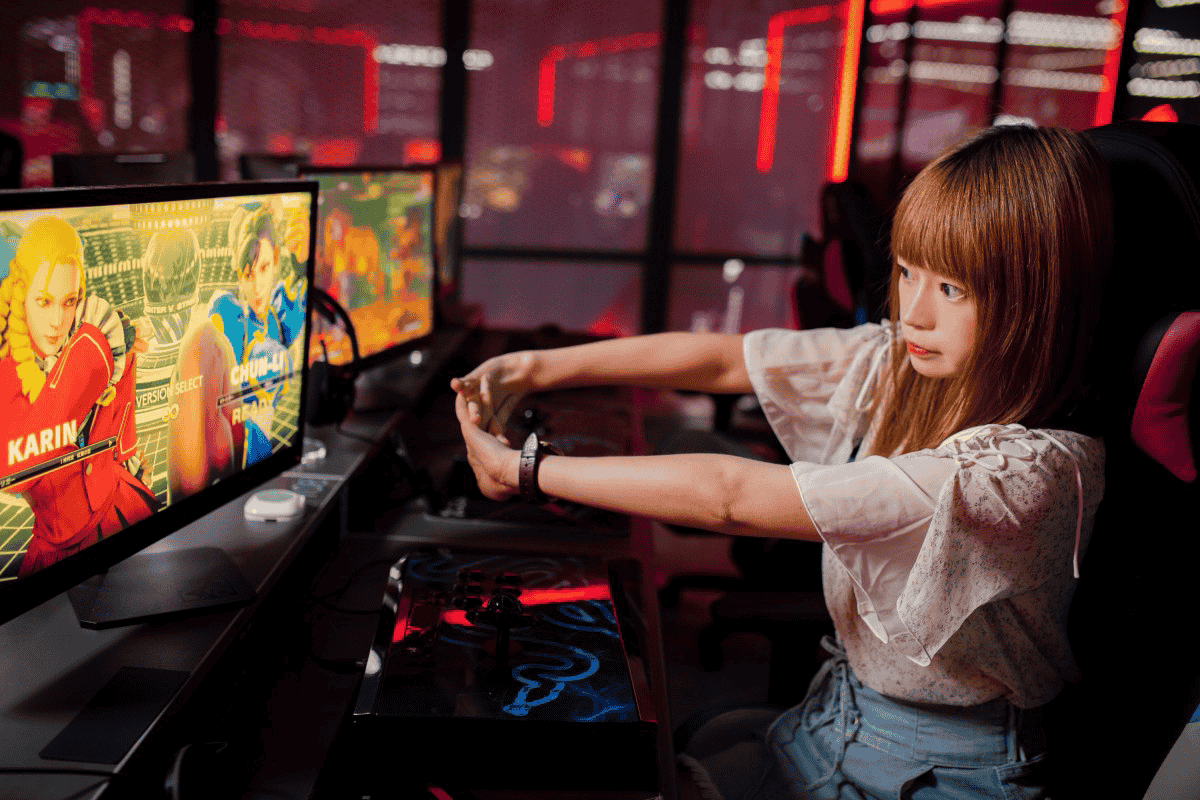
- Stretch your wrists and shoulders, especially after a long session.
Taking a proper break
After a few losses, tilt sets in. The usual advice from coaches is simple: stand up, drink water and do something unrelated for ten minutes. Some players watch a pro match, others jump into a casual game or a mobile puzzle. The aim is to reset your focus, not to find a new source of stress.
When downtime turns into other games
Gaming communities overlap with all kinds of other hobbies, and online casino games are one that comes up in chat more than you might expect. Some Australian players read reviews on casino-bros.com before trying anything, mainly to compare sites and the tools they offer for setting limits. If you go down that path, keep it completely separate from your ranked grind; it is only for adults aged 18 and over, so play responsibly and set a budget before you start.
Protecting your next session
Downtime should leave you sharper, not more tired. Late-night sessions are where most of the bad habits form: one more queue, one more game, one more hour. Decide in advance how many matches you will play, and stop when you hit that number even if you are on a win streak. Your rank will still be there tomorrow.
It also helps to keep your setup tidy between sessions. Save a backup of your keyboard profiles, note down your sensitivity and crosshair codes, and keep drivers and firmware updated on a quiet evening rather than right before a tournament match. Nothing ruins a night faster than a surprise update in the middle of a queue.
Sleep matters more than any keyboard setting. A well-rested player with a stock config will usually beat a tired one with a perfectly tuned profile. Treat breaks as part of training, and the hours you spend in queue will start paying off in the matches that follow.
Article details
- Published